


Savings and Emergency Fund:
Savings and money management are the foundation of a healthy financial life. Earning a good income is important, but managing that income wisely determines how effectively you can achieve your financial goals. Whether you are a student, salaried professional, business owner, or retired individual, developing disciplined money-management habits can provide greater financial stability and confidence.
Money management is not about avoiding every expense or living an extremely restrictive lifestyle. It is about earning, spending, saving, investing, and protecting money in a planned and balanced manner.
What Is Money Management?
Money management is the process of effectively managing your financial resources. It involves understanding your income, controlling expenses, building savings, managing debt, investing appropriately, and preparing for future needs.
A sound money-management system generally includes:
- Creating a budget
- Controlling unnecessary expenses
- Saving regularly
- Building an emergency fund
- Managing loans and debt
- Investing for long-term goals
- Protecting finances through insurance
- Planning for retirement
- Reviewing financial progress regularly
The objective is to ensure that your money supports both your present needs and future financial goals.
Why Is Saving Important?
Saving means setting aside a portion of your income for future requirements rather than spending the entire amount at present.
- Savings can provide financial security during unexpected situations and help fund planned goals such as education, purchasing a home, starting a business, marriage, travel, or retirement.
- Regular savings also develop financial discipline.
- Even relatively small amounts can become meaningful when saved consistently over a long period.
However, saving money in a bank account or keeping cash is not the same as investing. Savings generally provide liquidity and stability, while investments are intended to help grow wealth over time and may involve different levels of risk. A good financial plan uses both savings and appropriate investments according to the purpose of the money.
Financial Budget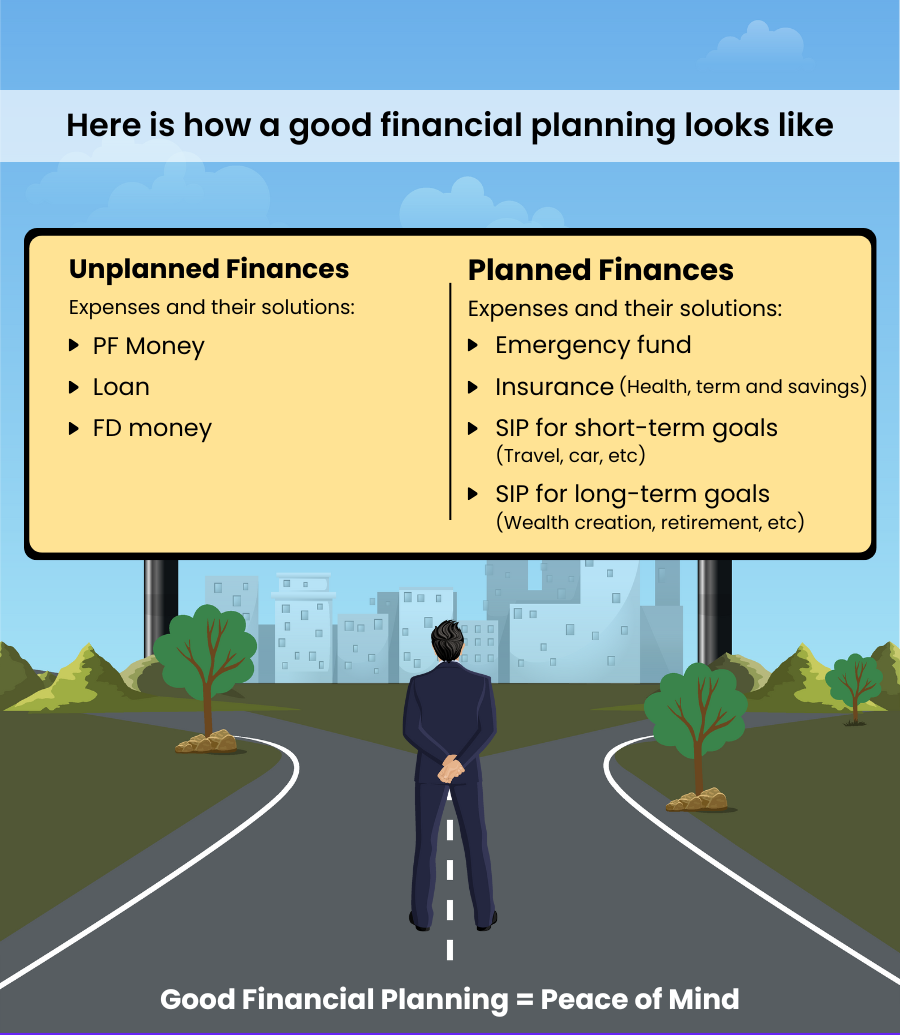
A budget is one of the simplest and most effective money-management tools. Start by identifying:
- Total Income: Salary, business income, professional income, pension, or other legitimate sources.
- Essential Expenses: Food, housing, education, utilities, transportation, healthcare, and other necessary costs.
- Discretionary Expenses: Entertainment, dining out, shopping, subscriptions, hobbies, and other optional spending.
- Financial Commitments: Loan repayments, insurance premiums, investments, and other obligations.
Once these are identified, determine how much can reasonably be saved and invested each month. A budget should be realistic. A plan that is too restrictive may be difficult to maintain over time.
Emergency Fund
An emergency fund is a critical component of financial planning. Unexpected events such as job loss, urgent repairs, medical expenses, or other unforeseen obligations can place pressure on household finances.
- As a general guideline, many individuals may consider maintaining an emergency reserve equivalent to approximately 3–6 months of essential living expenses, although the appropriate amount depends on income stability, family responsibilities, and individual circumstances.
- Emergency funds should generally be kept in relatively safe and accessible avenues so that the money can be accessed when genuinely required.
- The emergency fund should be separate from long-term investments intended for wealth creation.
Control Unnecessary Spending
Good money management does not mean eliminating enjoyment from life. Instead, it means distinguishing between needs and wants. Before making a purchase, ask:
- Do I really need this?
- Is it affordable within my budget?
- Does this purchase support or delay an important financial goal?
- Can I obtain the same value at a lower cost?
Small recurring expenses can become significant over time. Reviewing subscriptions, impulse purchases, dining expenses, and unnecessary fees can reveal opportunities to increase savings. The goal is not extreme frugality but conscious and purposeful spending.
Manage Debt Responsibly
Debt can be useful when used responsibly, but excessive borrowing can restrict future financial flexibility. Before taking a loan, consider:
- Interest rate
- Loan tenure
- Monthly repayment
- Total borrowing cost
- Existing liabilities
- Stability of income
High-cost debt should generally receive particular attention because interest can significantly affect financial progress. Avoid taking unnecessary loans simply to finance lifestyle expenses. Maintaining manageable debt levels can free more income for savings and investments.
Savings for Specific Goals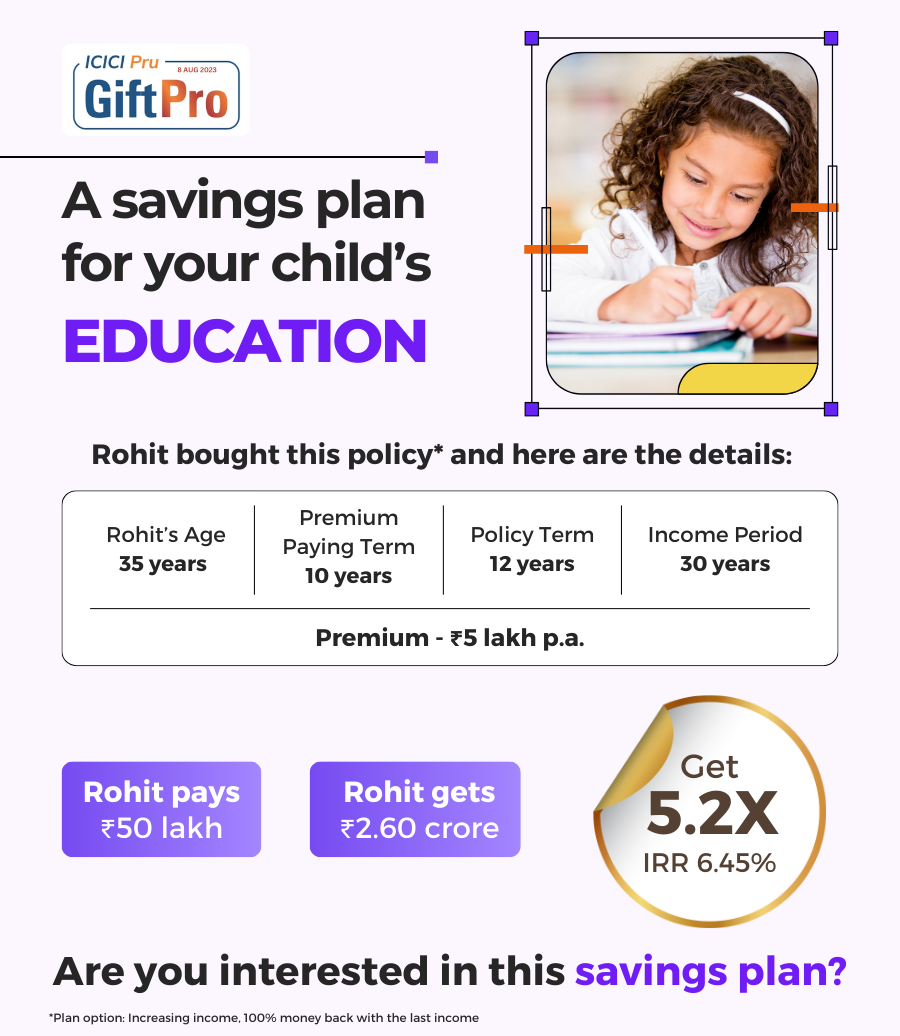
Saving becomes easier when there is a clear purpose. Instead of having one general savings target, consider creating separate goals such as:
- Emergency Fund – for unexpected expenses.
- Education Fund – for future education requirements.
- Home Fund – for down payment or related expenses.
- Retirement Fund – for long-term financial independence.
- Short-Term Goals – for planned purchases or experiences.
Assigning a target amount and time frame to each goal helps determine how much needs to be saved or invested. Goal-based planning also makes financial progress easier to monitor.
Savings vs. Investments
Savings and investments serve different purposes.
- Savings generally focus on safety and liquidity. They are suitable for short-term requirements and emergency reserves.
- Investments are intended to help achieve longer-term growth and may include equity, debt, mutual funds, government securities, bonds, and other suitable instruments.
Investment choices should be based on:
- Financial goals
- Investment horizon
- Risk tolerance
- Liquidity requirements
- Income
- Existing assets and liabilities
Protection of Savings
Building savings without protecting yourself from major financial risks can leave a significant gap in financial plan.
- Appropriate health insurance can help protect savings against eligible medical expenses, while suitable life insurance can provide financial protection for dependents.
- Other insurance requirements may include motor, property, travel, or other specialized coverage depending on individual circumstances.
- Insurance should primarily be viewed as a risk-management and financial-protection tool.
Use the Power of Compounding
Time can be an important factor in long-term wealth creation. When investment returns remain invested, future returns may be generated on both the original investment and previously accumulated returns. This is commonly known as compounding.
- Starting early, investing regularly, and maintaining discipline can provide more time for compounding to work.
However, compounding does not eliminate investment risk, and actual returns depend on the investment chosen and market conditions.
Develop Good Money Habits
Financial success is often the result of consistent habits rather than occasional large financial decisions. Some useful habits include:
- Track your income and expenses.
- Save regularly.
- Maintain an emergency fund.
- Avoid unnecessary debt.
- Invest according to your goals and risk profile.
- Maintain appropriate insurance protection.
- Increase savings as income grows.
- Avoid impulsive financial decisions.
- Review investments periodically.
- Keep important financial documents organized.
Small positive habits practiced consistently can make a meaningful difference over the long term.
Conclusion
Savings and money management are the foundation of financial independence. A strong financial future does not depend only on earning more money. It depends on how effectively you manage, save, invest, protect, and use the money you earn.
- Start with a realistic budget.
- Build an emergency fund.
- Control unnecessary expenses.
- Manage debt responsibly.
- Save regularly for specific goals.
- Invest according to your risk profile and time horizon.
- Protect your family and finances through suitable insurance.
- Finally, review your financial plan periodically and make adjustments as your circumstances change.
Remember, financial success is usually not created overnight. It is built through discipline, consistency, patience, informed decisions, and long-term planning.
Earn Wisely. Spend Smartly. Save Regularly. Invest Carefully. Protect Adequately. Build Your Financial Future.
Disclaimer: This article is intended for general educational and awareness purposes only. It should not be considered personalized financial, investment, tax, legal, or insurance advice. Investment products are subject to applicable risks, terms, and conditions. Individuals should evaluate their own financial circumstances and consult appropriately qualified professionals before making financial decisions.
— Admin —
1 Comment