

Health Insurance:
Health is one of the most valuable assets in life, and protecting it should be an essential part of financial planning. Modern healthcare can provide excellent treatment options, but medical care can also involve substantial expenses. A serious illness, accident, surgery, or hospitalization may place considerable pressure on a family’s savings.
Health insurance is designed to provide financial protection against eligible healthcare expenses, subject to the policy’s terms, conditions, exclusions, limits, and applicable regulations. It can help individuals and families manage medical expenses without unnecessarily disrupting their long-term savings and investments.
From an insurance-advisor perspective, health insurance should not be viewed simply as another financial product. It is primarily a risk-management tool designed to protect financial stability when unexpected healthcare expenses arise.
What Is Health Insurance?
Health insurance is an agreement between an insurer and the policyholder under which the insurer provides specified financial benefits for covered medical expenses according to the policy terms.
Depending on the policy, benefits may relate to hospitalization, specified treatments, pre- and post-hospitalization expenses, day-care procedures, ambulance services, or other covered healthcare costs. The exact coverage varies significantly between policies.
Policyholders should understand the specific benefits, exclusions, waiting periods, sub-limits, deductibles, co-payments, and other conditions before purchasing a policy.
Health Insurance: Importance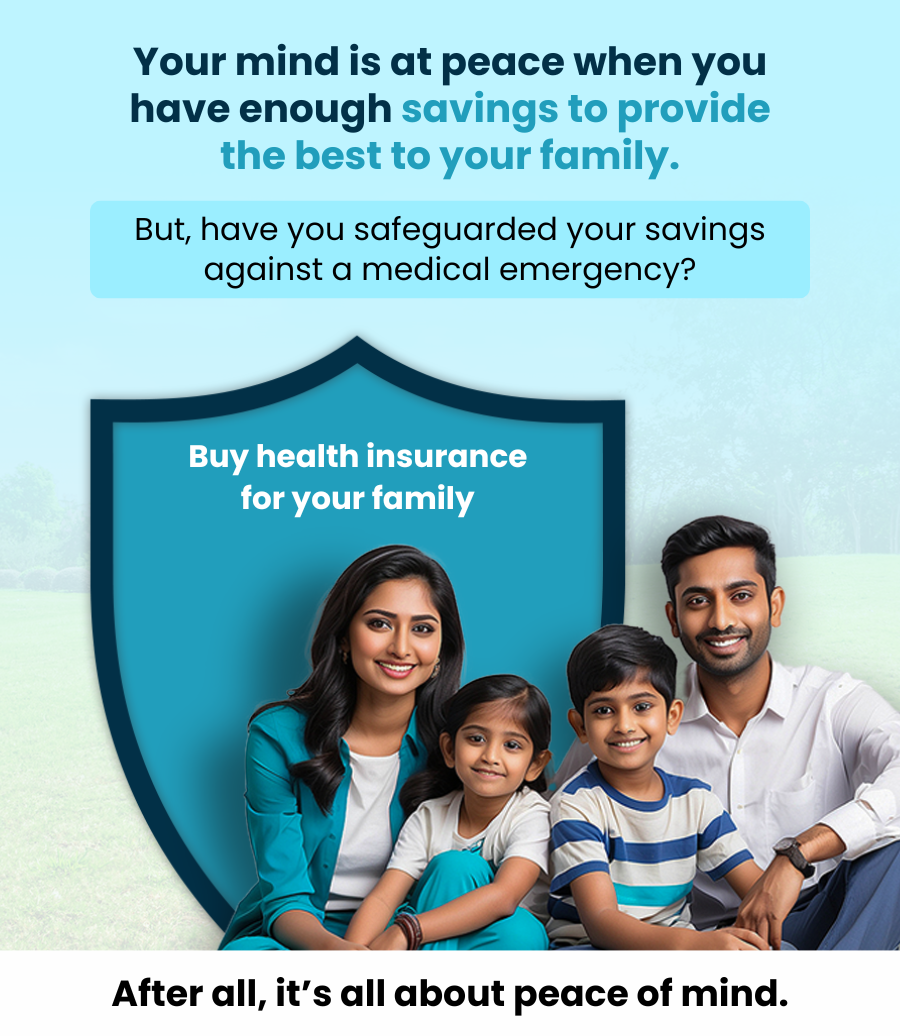
Health Insurance Policy is an important part of Financial Planning due to following –
1. Protection Against Rising Medical Costs
Healthcare costs can increase over time due to advances in medical technology, specialized treatment, hospital infrastructure, medicines, and other factors.
An expense that appears manageable today may become considerably larger in the future. Health insurance can help transfer part of the financial risk of eligible medical expenses from the individual to the insurer, subject to the policy terms.
2. Protecting Your Savings
Without adequate health coverage, a major hospitalization could require a family to use its emergency savings or long-term investments. This can disrupt important financial goals such as:
- Children’s education
- Home purchase
- Retirement
- Business expansion
- Wealth creation
Health insurance can help protect accumulated wealth against eligible healthcare expenses.
3. Financial Protection During Medical Emergencies
Medical emergencies are often unexpected. A person may be financially prepared for regular expenses but not for a sudden hospitalization or major treatment.
Having suitable health insurance before a medical emergency occurs can provide financial support for covered expenses according to the policy conditions. Insurance planning should therefore be done before the risk materializes, subject to eligibility and underwriting.
4. Access to Cashless Healthcare Facilities
Many health-insurance policies provide access to a network of hospitals where eligible claims may be settled through a cashless process, subject to the insurer’s procedures and policy conditions. Cashless treatment can reduce the immediate burden of arranging the full hospital bill.
However, cashless does not necessarily mean that every expense is automatically covered. Deductibles, exclusions, non-payable items, co-payments, and other policy conditions may still apply.
5. Protecting the Entire Family
Healthcare requirements can vary significantly among family members. A family health-insurance policy may provide coverage for multiple eligible members under one policy structure, subject to its terms. This can simplify insurance management and provide a coordinated approach to family healthcare protection.
The appropriate coverage should be evaluated based on family size, age, health requirements, financial capacity, and location.
Types of Health Insurance Policies
Health-insurance products are available in different structures. The exact features and availability depend on the insurer and applicable regulations.
1. Individual Health Insurance
An individual health-insurance policy provides coverage to one insured person. The sum insured is generally available for that individual according to the policy terms.
It can be suitable for people who want separate coverage based on their personal healthcare requirements.
Advantages
- Individualized coverage
- Dedicated sum insured
- May allow customization according to requirements
- Suitable for people seeking independent health protection
Premiums can depend on factors such as age, location, coverage, health profile, and policy features.
2. Family Floater Health Insurance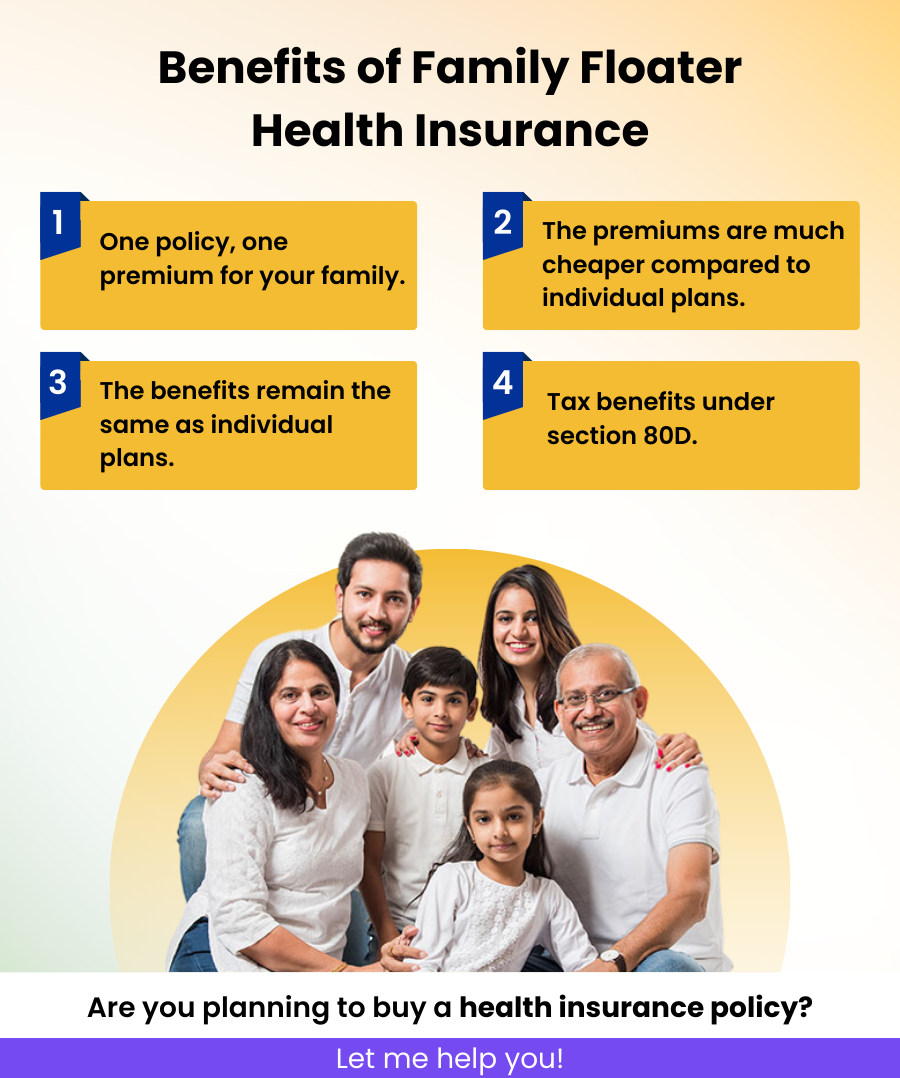
A family floater policy provides a shared sum insured for multiple insured family members. For example, one policy may cover eligible family members under a common sum insured.
If one member requires treatment, the applicable claim may use part of the shared coverage.
Potential Advantages
- One policy for multiple family members
- Simplified administration
- Shared coverage
- Can be cost-effective depending on circumstances
However, the suitability of a family floater depends on the family’s age profile and healthcare requirements.
Families with elderly members or significantly different health risks may need to evaluate whether a floater structure provides sufficient protection.
3. Senior Citizen Health Insurance
Senior citizens may have greater healthcare requirements, making specialized health-insurance options relevant. Senior-citizen policies are designed specifically for eligible older individuals and may have features suited to their needs.
Important factors to examine include:
- Entry age
- Renewal age
- Premium
- Coverage limits
- Pre-existing disease conditions
- Waiting periods
- Co-payment
- Hospital network
- Sub-limits
- Exclusions
Because healthcare requirements can be more complex at older ages, policy terms should be examined carefully.
4. Group Health Insurance
Group health insurance is commonly provided by employers or organizations for eligible members. Employees may receive healthcare coverage as part of their employment benefits.
Group policies can provide useful protection, but employees should understand that the coverage may be linked to employment or membership conditions. Therefore, individuals should evaluate whether they need separate personal health insurance in addition to employer-provided coverage.
5. Critical Illness Insurance
A critical illness policy is designed to provide a specified benefit upon diagnosis of covered critical illnesses, subject to the policy terms and conditions. Unlike standard hospitalization coverage, the benefit may be a predetermined lump sum rather than reimbursement of actual hospital expenses.
The funds may potentially be used for various financial needs, depending on the policy structure. Examples of covered illnesses vary between policies, so the definition and conditions of each covered illness must be carefully reviewed.
6. Top-Up Health Insurance
A top-up health-insurance policy provides additional coverage above a specified deductible, subject to policy conditions. For example, if a policy has a deductible of a specified amount, expenses above that threshold may become eligible for coverage according to the policy terms.
Top-up plans can be considered when an individual wants additional protection beyond an existing base policy. The deductible structure and claim conditions should be understood carefully.
7. Super Top-Up Health Insurance
A super top-up policy generally considers eligible medical expenses across multiple claims during a policy period once the applicable cumulative deductible is crossed, depending on the product structure.
This differs from a conventional top-up, where the deductible may apply to individual claims. Because the distinction can be important, policyholders should carefully understand how the deductible is calculated before purchasing.
8. Personal Accident Insurance
Personal accident insurance is designed to provide specified benefits in relation to covered accidental events. Depending on the policy, benefits may relate to accidental death, permanent disability, or other specified consequences of an accident.
It should not automatically be treated as a substitute for comprehensive health insurance because its coverage is focused on defined accident-related events.
9. Maternity Health Insurance
Some health-insurance policies provide maternity-related benefits subject to specified conditions and waiting periods. Coverage may include eligible maternity expenses and, depending on the policy, newborn-related benefits.
Individuals planning a family should examine maternity coverage well in advance, because applicable waiting periods can be significant. The policy wording should be reviewed for eligibility, limits, waiting periods, exclusions, and newborn coverage.
10. Disease-Specific Health Insurance
Some insurant products are designed around particular diseases or health conditions. These products may provide specified benefits or coverage for defined treatments.
Such policies can sometimes supplement broader health insurance, but they should not automatically be considered replacements for comprehensive health coverage.
Important Features to Evaluate
Choosing health insurance requires more than comparing premiums.
- Sum Insured – The sum insured should be appropriate for the insured person’s or family’s potential healthcare requirements.
- Waiting Period – Certain conditions or treatments may have waiting periods before coverage becomes available.
- Pre-Existing Diseases – Policies may have specific conditions regarding pre-existing diseases or medical conditions before policy inception.
- Room-Rent Limits – Some policies impose limits on eligible room expenses. These limits may affect claim calculations.
- Co-Payment – A co-payment requires the insured person to bear a specified portion of eligible expenses.
- Deductibles – A deductible is an amount that must be borne before certain insurance benefits become applicable.
- Exclusions – Exclusions specify expenses or situations that are not covered under the policy.
Understanding exclusions is essential before purchase.
Cashless Treatment
Cashless treatment allows eligible treatment expenses to be settled directly between the insurer or its authorized claims administrator and a network hospital, subject to policy conditions and authorization procedures.
The policyholder may still need to pay expenses that are:
- Not covered
- Above applicable limits
- Subject to co-payment
- Subject to deductibles
- Classified as non-payable items
Therefore, cashless does not mean completely free treatment.
Waiting Periods
Waiting periods are an important feature of many health-insurance policies. Different waiting periods may apply to different situations, such as:
- Certain pre-existing diseases
- Specific treatments
- Certain procedures
- Maternity benefits
The duration and applicability vary between policies. Policyholders should understand waiting periods before purchasing because changing policies later may involve additional considerations.
Health Insurance Premiums
Health-insurance premiums can depend on several factors, including:
- Age
- Location
- Number of insured persons
- Sum insured
- Medical history
- Policy type
- Deductible
- Coverage features
- Add-ons
- Insurer’s underwriting
Premium should therefore be considered alongside coverage quality and suitability. Choosing a policy only because it has the lowest premium can sometimes result in inadequate protection.
How Much Health Insurance Should You Buy?
There is no universal coverage amount suitable for every family. Consider:
- Family size: More insured members may require greater coverage.
- Age: Healthcare requirements can increase with age.
- Location: Medical costs may differ significantly between cities and regions.
- Existing coverage: Employer or existing personal insurance should be considered.
- Healthcare preferences: Access to private hospitals or specialized treatment may influence requirements.
- Financial capacity: Premiums should remain sustainable over the long term.
- Medical history: Existing health circumstances may affect coverage and underwriting.
A health-insurance advisor can help assess these factors and identify potential coverage gaps.
Health Insurance and Financial Planning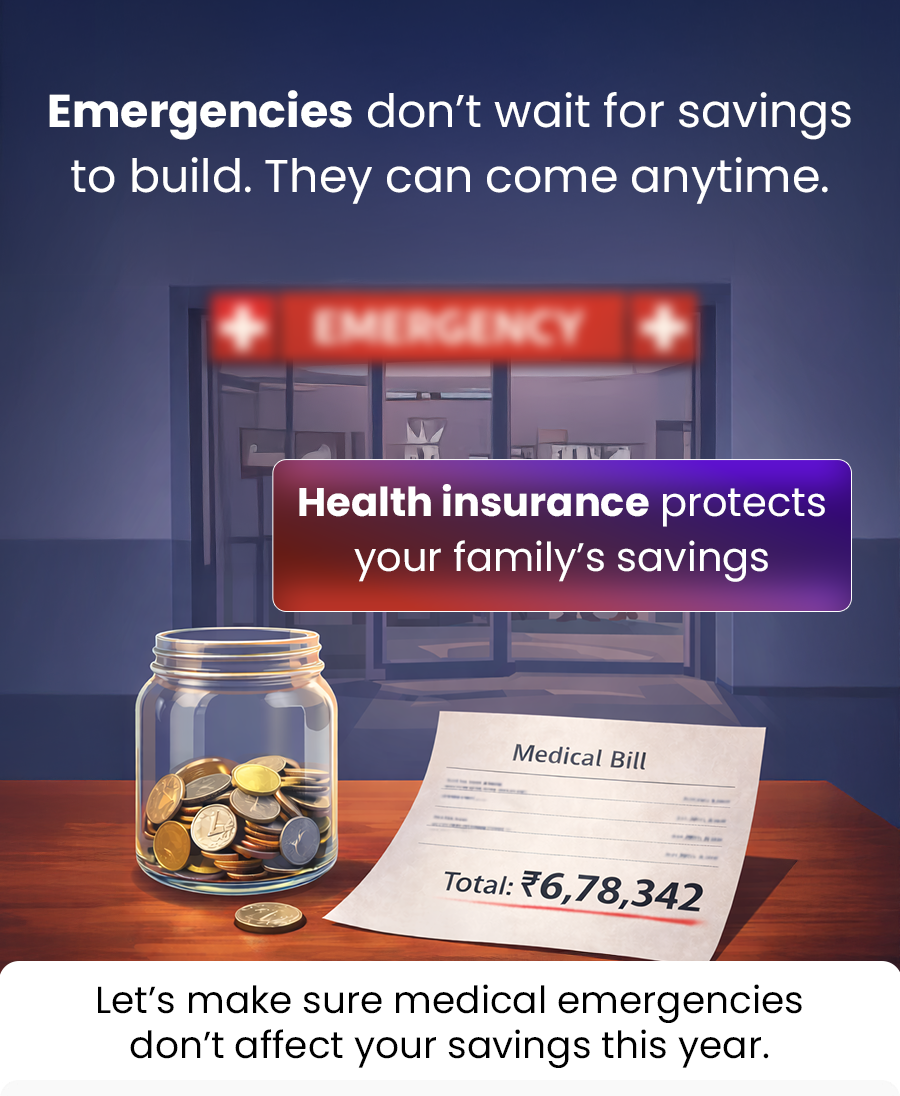
Health insurance should be integrated into a broader financial plan. A comprehensive financial strategy may include: Emergency Fund + Health Insurance + Life Insurance + Investments + Retirement Planning + Tax Planning
Each serves a different purpose. The emergency fund provides liquidity. Health insurance helps manage eligible healthcare expenses. Life insurance protects dependents against the financial impact of premature death.
Investments support wealth creation and financial goals. Retirement planning prepares for financial independence after regular employment income reduces or stops.
Together, these components can create stronger financial resilience.
Role of an Insurance Advisor
An insurance advisor can help clients understand their healthcare-related financial risks and evaluate suitable insurance options. The advisor may assist with:
- Understanding insurance requirements
- Comparing policy features
- Evaluating coverage
- Explaining exclusions
- Understanding waiting periods
- Reviewing existing policies
- Identifying potential coverage gaps
- Understanding claim procedures
- Reviewing policies periodically
A good advisor should focus on needs-based recommendations rather than simply selling a policy. Medical diagnosis and treatment decisions should always be made by qualified healthcare professionals.
Conclusion
Health insurance is an essential component of modern financial planning. While healthy lifestyle choices and preventive healthcare remain the first line of defence, insurance provides financial protection when unexpected covered healthcare expenses arise.
Major types of health insurance include individual health insurance, family floater policies, senior-citizen plans, group health insurance, critical illness insurance, top-up and super top-up plans, personal accident insurance, maternity-related coverage, and disease-specific products.
Each type serves a different purpose, and no single policy is suitable for every individual or family. The right policy should be selected after considering coverage requirements, age, family circumstances, healthcare costs, sum insured, waiting periods, exclusions, co-payments, deductibles, hospital networks, premiums, and long-term affordability.
Most importantly, health insurance should be purchased before a major healthcare need arises and reviewed regularly thereafter.
Protect Your Health. Protect Your Savings. Secure Your Family’s Financial Future.
Disclaimer: This article is intended for general educational and awareness purposes only. It does not constitute medical, insurance, financial, tax, or legal advice. Health-insurance coverage, benefits, exclusions, waiting periods, deductibles, co-payments, claim procedures, premiums, underwriting, and renewal conditions vary by insurer and policy and are subject to the applicable policy documents and prevailing laws and regulations. Prospective policyholders should carefully read the policy wording and consult an appropriately authorized insurance professional before purchasing coverage.
— Admin —
1 Comment