

Health Management: An Overview
 It is the continuous process of taking care of your physical, mental, emotional, and preventive health so that you can live a healthier and more productive life. Good health is one of the most valuable assets a person can have, yet it is often neglected until illness occurs.
Effective health management is not simply about treating diseases. It involves healthy habits, preventive healthcare, nutritious food, physical activity, adequate sleep, stress management, regular health check-ups, hygiene, and appropriate health insurance protection.
A well-managed approach to health can help individuals identify potential problems early, maintain healthy habits, and reduce the financial and emotional impact of unexpected medical situations.
1. Understand Your Health
The first step in health management is understanding your current health condition and personal risk factors. Age, family history, lifestyle, occupation, diet, physical activity, sleep, stress, and existing medical conditions can all influence health requirements. People should maintain awareness of their health and discuss concerns with qualified healthcare professionals.
Keeping basic health records such as previous reports, vaccination records, prescriptions, allergies, and important medical information can also make healthcare management more organized.
Health management should be individualized. What is suitable for one person may not be suitable for another.
2. Eat a Balanced and Nutritious Diet
Nutrition plays a major role in maintaining overall health. A balanced diet should generally include a variety of:
- Vegetables and fruits
- Whole grains
- Pulses and other protein sources
- Dairy or suitable alternatives
- Nuts and seeds
- Adequate fluids
The goal is to provide the body with essential nutrients while maintaining appropriate portions and dietary variety. Highly processed foods, excessive added sugar, excessive salt, and unhealthy fats should generally be limited.
However, nutritional requirements vary according to age, activity level, medical circumstances, and other factors. People with specific health conditions or dietary requirements should seek advice from an appropriately qualified healthcare professional.
3. Stay Physically Active
Regular physical activity is an important part of a healthy lifestyle.
Physical activity can support cardiovascular health, muscle and bone strength, mobility, mood, and overall fitness.
Activities may include: (1) Walking (2) Cycling (3) Swimming (4) Sports (5) Yoga (5) Stretching (6) Strength-building exercises (7) Other enjoyable forms of movement
The most effective activity is often one that can be performed safely and consistently.
People should choose activities appropriate for their age, fitness level, and health status. Anyone with a medical condition or concern should consult a healthcare professional before beginning a new exercise programme.
The objective should be health, fitness, strength, and well-being, rather than unrealistic physical appearance goals.
4. Give Priority to Quality Sleep
Sleep is essential for physical and mental well-being. Poor sleep can affect concentration, mood, energy levels, learning, and daily performance. Maintaining a consistent sleep schedule and creating a comfortable sleeping environment can support better sleep habits.
Helpful practices may include: (1) Maintaining regular sleep and wake times (2) Limiting excessive screen use close to bedtime (3) Keeping the sleeping environment comfortable (4) Avoiding excessive caffeine late in the day (5) Following a relaxing bedtime routine
Sleep requirements vary by age. Children and teenagers generally require more sleep than adults, so age-appropriate sleep recommendations should be followed.
Persistent sleep difficulties should be discussed with a healthcare professional.
5. Manage Stress and Mental Well-Being
Health management includes mental and emotional well-being, not just physical health. Academic pressure, work responsibilities, financial concerns, family situations, and everyday challenges can contribute to stress.
Healthy ways of managing stress may include: (1) Regular physical activity (2) Adequate sleep (3) Spending time with supportive people (4) Hobbies and recreation (5) Relaxation or mindfulness practices (6) Organizing tasks and responsibilities (7) Speaking with a trusted person
If stress, anxiety, sadness, or other emotional difficulties become persistent or interfere with daily life, seeking support from a qualified mental-health professional can be an important step. Asking for help is a sign of responsible health management.
6. Maintain Personal Hygiene
Good hygiene helps reduce exposure to infections and supports overall well-being.
Important habits include: (1) Washing hands regularly (2) Maintaining oral hygiene (3) Bathing regularly (4) Keeping nails clean (5) Wearing clean clothing (6) Maintaining food hygiene (7) Keeping living spaces clean (8) Practicing respiratory hygiene when appropriate
Handwashing is particularly important before eating, after using the toilet, and after situations where hands may become contaminated. Simple hygiene practices can become powerful preventive habits when followed consistently.
7. Preventive Health Check-Ups
Preventive healthcare focuses on identifying potential health problems before they become serious. Depending on age, sex, family history, lifestyle, and individual risk factors, healthcare professionals may recommend appropriate screening or check-ups.
These may involve monitoring factors such as: (1) Blood pressure (2) Blood sugar (3) Cholesterol (4) Dental health (5) Vision (6) Weight and general health (7) Age-appropriate screening tests
Not everyone requires the same tests at the same frequency. Unnecessary testing can also have disadvantages, so screening should be based on appropriate medical guidance.
Regular consultations provide an opportunity to discuss symptoms, risk factors, lifestyle, and preventive care.
8. Vaccination and Disease Prevention
Vaccination is an important component of preventive healthcare. It can help protect individuals and communities against certain infectious diseases. Recommended vaccines may vary according to age, health status, location, occupation, travel requirements, and public-health guidelines.
Individuals should maintain appropriate vaccination records and consult qualified healthcare professionals regarding recommended vaccines and booster doses.
Disease prevention also includes safe food and water practices, appropriate hygiene, avoiding exposure to known health hazards, and seeking medical advice when necessary.
9. Avoid Tobacco, Nicotine and Harmful Substances
Avoiding tobacco and nicotine products is an important part of protecting long-term health. Smoking and other tobacco exposure are associated with serious health risks. Nicotine products can also lead to dependence.
People should also avoid misuse of alcohol, medicines, or other substances. Medicines should be taken according to appropriate medical guidance rather than self-prescribed or shared with others.
Healthy lifestyle choices made consistently over time can significantly contribute to long-term well-being.
10. Maintain Healthy Weight and Metabolic Health
Maintaining health is more important than pursuing a particular appearance. A healthy approach focuses on nutrition, physical activity, sleep, medical indicators, and overall well-being rather than extreme dieting or rapid weight changes.
People should avoid crash diets, unnecessary food restrictions, excessive exercise, or unverified supplements.
Body weight and health requirements differ among individuals, particularly during childhood and adolescence. Anyone concerned about weight or nutrition should discuss it with a qualified doctor or dietitian rather than following restrictive plans independently.
11. Take Medicines Responsibly
Medicines can be extremely useful when used appropriately, but incorrect use can create risks. Individuals should:
- Follow the prescribed dose and schedule
- Avoid taking someone else’s prescription medicine
- Check instructions carefully
- Inform healthcare professionals about other medicines being taken
- Follow recommended treatment duration
- Store medicines appropriately
People should not discontinue important prescribed medicines without discussing it with their healthcare professional. Self-medication should be approached cautiously, especially when symptoms are persistent, severe, or unexplained.
12. Health Insurance as Financial Protection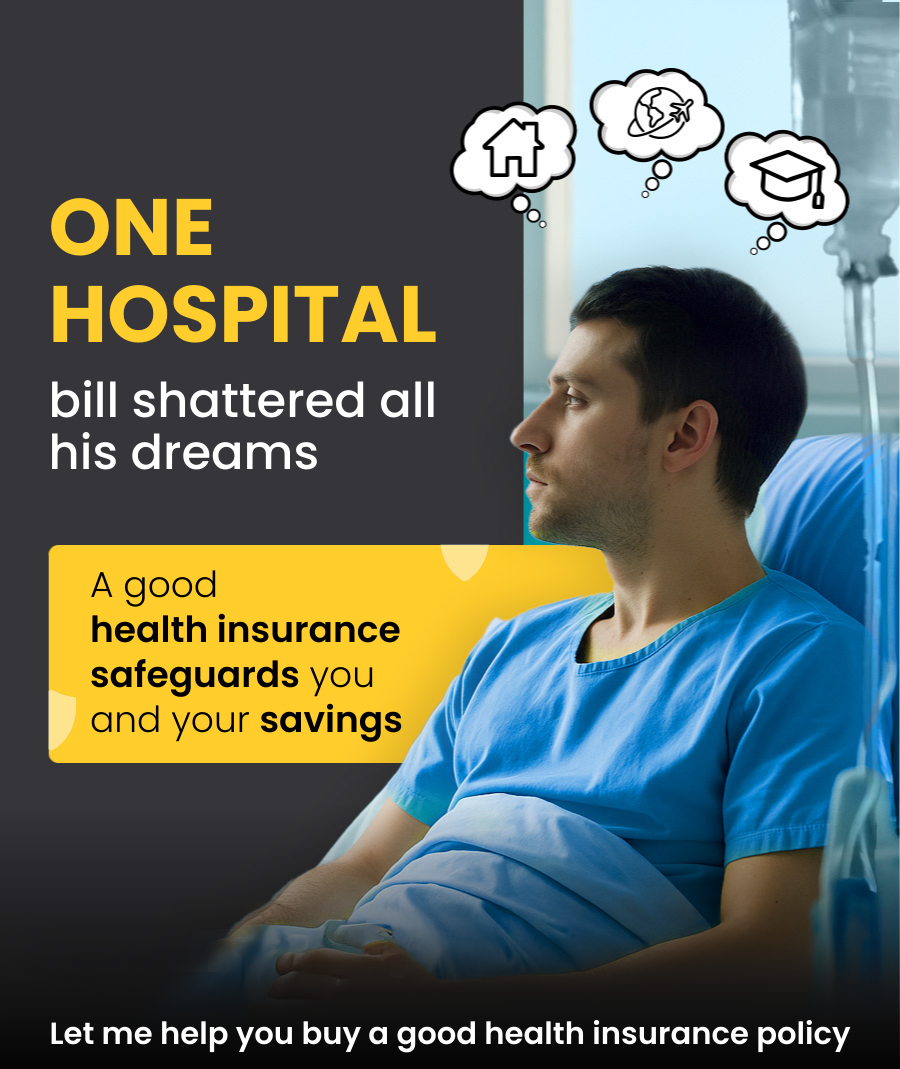
Health management also has an important financial dimension. Medical treatment can create significant expenses, particularly during hospitalization or major illness. Suitable health insurance can provide financial protection against eligible medical expenses according to the policy’s terms and conditions.
When evaluating health insurance, consider:
- Sum insured
- Premium
- Coverage
- Waiting periods
- Exclusions
- Co-payment provisions
- Room-rent restrictions
- Network hospitals
- Claim procedures
- Renewal conditions
- Sub-limits and applicable terms
Health insurance should not replace healthy habits or preventive healthcare. Instead, it provides a financial safety net when covered healthcare expenses arise.
13. Create a Family Health Plan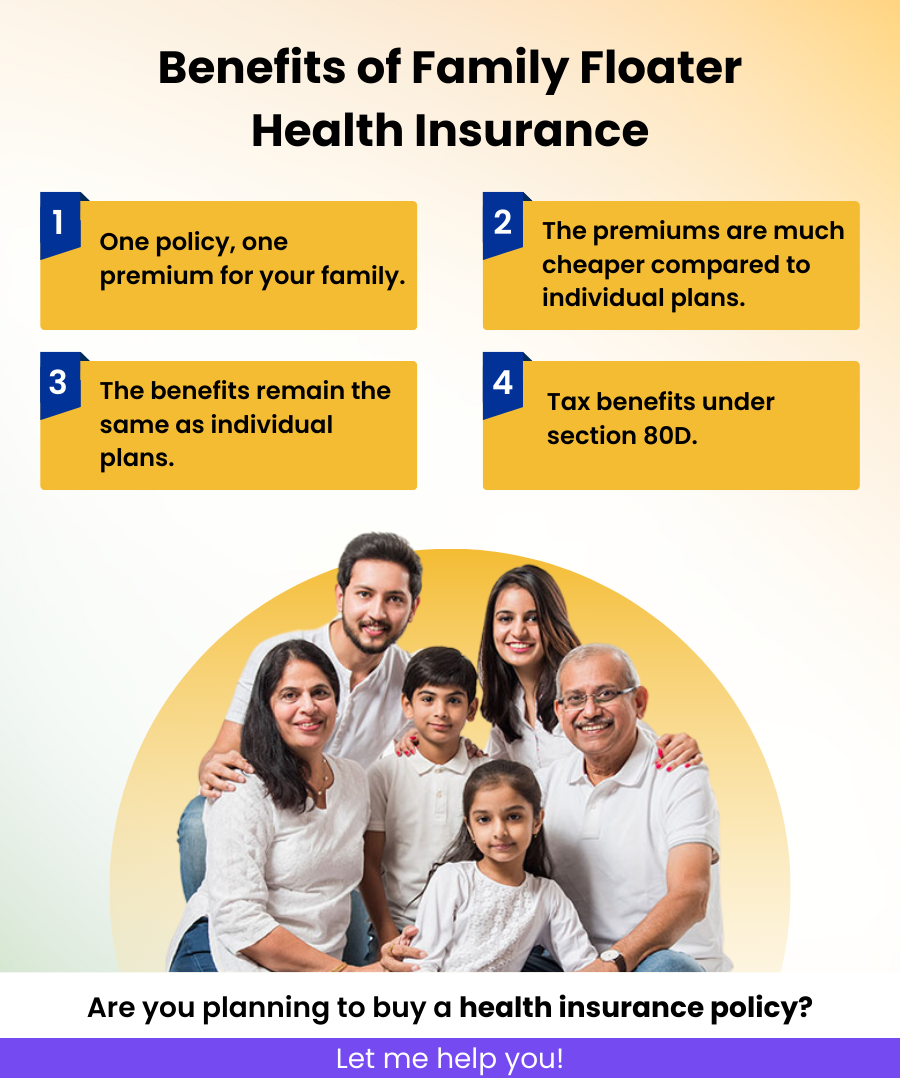
Families can benefit from maintaining a simple health-management plan. This may include:
- Emergency contact information
- Important medical records
- Vaccination records
- Current prescriptions
- Known allergies
- Health-insurance details
- Regular check-up schedules
- Important healthcare-provider information
Keeping these details organized can make it easier to respond during unexpected situations.
Parents should also encourage children to develop healthy habits early, including good nutrition, hygiene, physical activity, adequate sleep, and responsible use of technology.
14. Build a Healthy Lifestyle at Work
Modern lifestyles can involve long periods of sitting, screen exposure, irregular meals, and work-related stress.
A healthier work routine may include taking regular movement breaks, maintaining proper posture, staying hydrated, eating balanced meals, and managing workload responsibly.
People working in physically demanding or hazardous environments should follow appropriate workplace safety procedures and use required protective equipment. Health should not be sacrificed permanently in pursuit of professional success.
15. Manage Digital and Screen Habits
Technology has become an essential part of education, employment, communication, and entertainment. However, excessive or poorly managed screen use can interfere with sleep, physical activity, posture, and social interaction.
Healthy digital habits may include:
- Taking regular breaks
- Maintaining appropriate screen distance and posture
- Avoiding excessive late-night screen use
- Balancing screen time with physical activity
- Spending time with family and friends
- Using technology purposefully
The goal is not necessarily to eliminate technology but to maintain a healthy balance between digital and real-world activities.
16. Plan Healthcare Financially
Healthcare planning should be part of overall financial planning.
Individuals may consider maintaining: (1) Emergency savings for unexpected expenses. (2) Health insurance for eligible medical costs covered under the policy. (3) Regular preventive-care expenses in the household budget. (4) Long-term healthcare planning for later stages of life.
Medical costs can sometimes be unpredictable, so maintaining both financial reserves and appropriate insurance can strengthen financial resilience.
17. Health & Insurance Advisor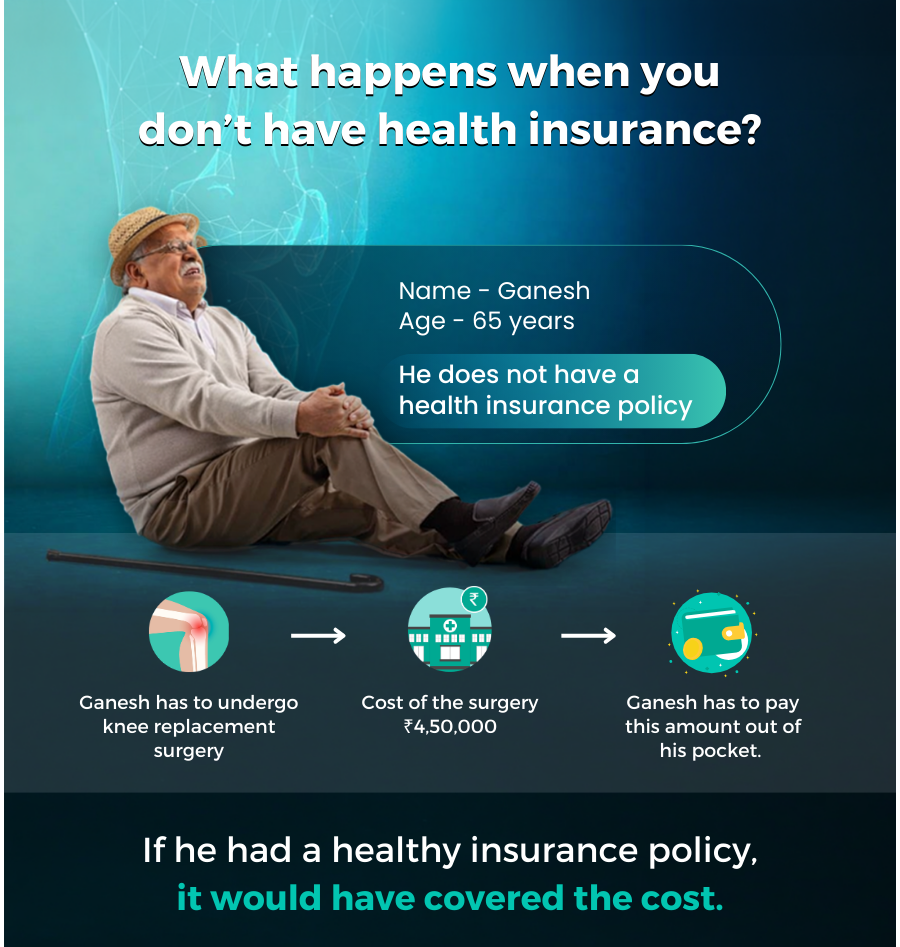
A Health & Insurance Advisor can help individuals understand the financial-protection aspect of healthcare. An advisor may help clients assess their insurance requirements, compare policy features, understand exclusions and waiting periods, review existing coverage, and identify potential gaps.
However, an insurance advisor does not replace a doctor, dietitian, psychologist, physiotherapist, or other healthcare professional. Medical diagnosis and treatment should always be obtained from appropriately qualified healthcare professionals.
The advisor’s role is primarily to help individuals make informed decisions regarding health-insurance protection and healthcare-related financial preparedness.
18. Review Your Health Plan Regularly
Health management is not a one-time activity. Review your health and healthcare arrangements periodically and whenever there is a major change in circumstances.
Review: (1) Lifestyle habits (2) Preventive-care requirements (3) Vaccinations (4) Health-insurance coverage (6) Family healthcare needs (7) Emergency contacts (8) Medical records (9) Healthcare expenses
Insurance policies should also be reviewed when income, family size, healthcare requirements, or financial responsibilities change.
A Simple Health Management Formula
A strong health-management approach can be remembered through six key principles:
Eat Well + Move Regularly + Sleep Adequately + Manage Stress + Prevent Problems + Protect Financially
Together, these habits create a more comprehensive approach to personal and family well-being.
Conclusion
Health is one of life’s most valuable assets, and managing it requires continuous attention. Good health management is not about following extreme routines or searching for quick solutions. It is about developing sustainable habits and making informed decisions consistently.
A balanced approach combines nutritious food, regular physical activity, adequate sleep, mental well-being, hygiene, preventive healthcare, responsible medical care, and appropriate health-insurance protection.
Financial preparation is equally important because an unexpected medical event can affect both health and household finances. Suitable health insurance and emergency savings can help provide financial resilience while healthcare professionals provide medical guidance.
Ultimately, the goal of health management is simple: prevent where possible, identify problems early, seek appropriate professional care, protect yourself financially, and build healthy habits that can be sustained throughout life.
Good health is not merely the absence of illness—it is the foundation that allows us to learn, work, enjoy relationships, pursue our goals, and live life with greater confidence and independence.
Disclaimer: This article is intended for general educational and awareness purposes only. It is not a substitute for professional medical diagnosis, treatment, or personalized healthcare advice. Insurance information is also subject to individual policy terms, conditions, exclusions, and applicable regulations. Consult qualified healthcare and insurance professionals for advice specific to your circumstances.
— Admin —